
Have you heard about workslop, the new bottleneck within organisations? A Harvard business review makes a connection to cognitive offloading to machines, where technology hijacks our thinking. Might sound extreme, but it’s a real efficiency killer. Workslop refers to AI-generated work that can look polished and complete, but often lacks the substance needed to move a task forward, something a human with expertise would naturally provide. It gives the illusion of progress, yet real work remains undone.
The impact of workslop
Many organisations underestimate how much workslop slows them down. When employees receive something that looks complete but does not quite do the job, they may also turn to AI to fill the gaps. While this might seem like a shortcut, it often strengthens the underlying problem: employees become dependent on AI to correct imperfect work that was also created by AI. This can reinforce inefficiencies and reduce the quality of overall output.
Alternatively, people may pause and work out what it means. They then reshape it into something usable. This extra effort consumes time and attention, quietly chipping away at productivity. Harvard reports an invisible tax of $186 per month per person. Over time, it also affects how people feel about working together. When output repeatedly misses the point, confidence in colleagues drops and collaboration starts to feel heavier than it should.
Workslop often convinces people at first. A report may sound confident while avoiding the real issue. A presentation can look polished while leaving everyone unsure about the next step. Even technical work can fall into this pattern when something runs but does not truly solve the problem it was meant to address. In each case, the work signals completion without delivering value.
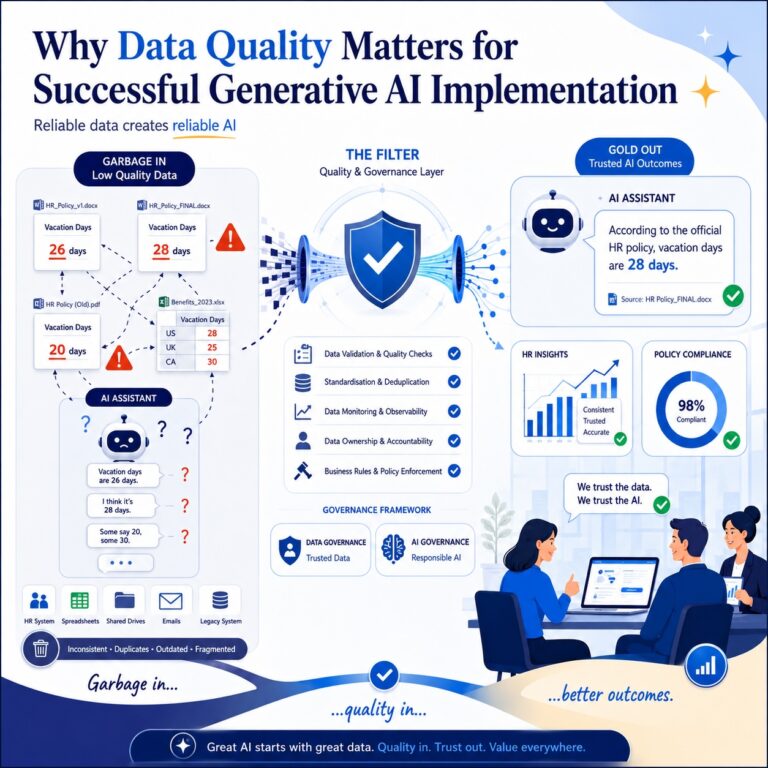
Generative AI has made workslop easier to create or might even be the core reason for its existence. These tools produce fluent output at high speed, which makes the result feel more finished than it really is. Without careful review, teams may accept work that sounds right while missing key details. AI does not understand context in the way people do, so it needs guidance and correction. When workplace culture rewards speed over thoughtfulness, workslop spreads quickly and settles into daily routines, leading to work that lacks value.
The impact goes beyond wasted time. People sometimes make decisions based on work that sounds solid but does not reflect reality. Others then must untangle the meaning and fix what is missing, which adds frustration and mental effort. Over time, teams may quietly lower their standards just to keep things moving. That makes it harder to use AI in ways that genuinely help.
How to limit workslop in your organisation?
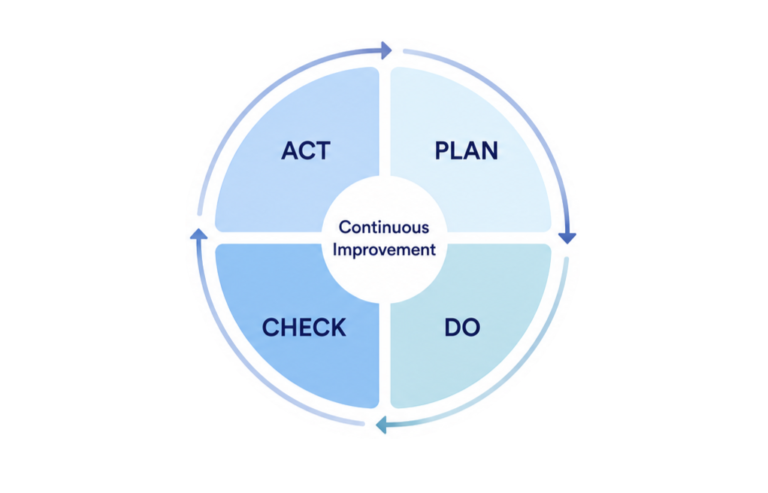
Organisations can reduce workslop by changing how they work with AI. Teams should treat AI as a useful assistant rather than a replacement for thinking. Someone still needs to check whether the output makes sense and whether it truly addresses the task. Clear expectations around quality help people slow down at the right moments. A culture that values feedback, and improvement also makes a difference, especially when people understand where AI performs well and where it needs human oversight.
Workslop does not mean organisations should avoid AI. It reminds us that fast output does not equal good work. When teams focus on producing work that people can understand and use, AI become an advantage rather than a source of extra clean-up. Used well, it saves time, used poorly, it creates a ✨pretty✨ mess.
Wondering how mature your organisation is, and whether it’s vulnerable to issues like workslop? Get in touch with us to explore where you stand.