Increasingly, in all creative fields a new, pointed question has replaced old critiques of graphics or gameplay: “Was any part of this made with AI?”
In the gaming industry particularly, a quick glance at Steam forums, Reddit threads, or X comments reveals a passionate, highly vigilant consumer base. They are actively hunting for the telltale signs of Generative AI: the shimmering textures, the slightly off dialogue, the generic art styles. The sentiment is often clear: if AI touched the final product, the product is somehow tainted.
This intense scrutiny creates a massive dilemma for studios and creators striving for innovation and efficiency. Where is the line between using a powerful new tool and compromising the integrity of the craft? What should be the norm of the creation for future games?
The "Expedition 33" Effect
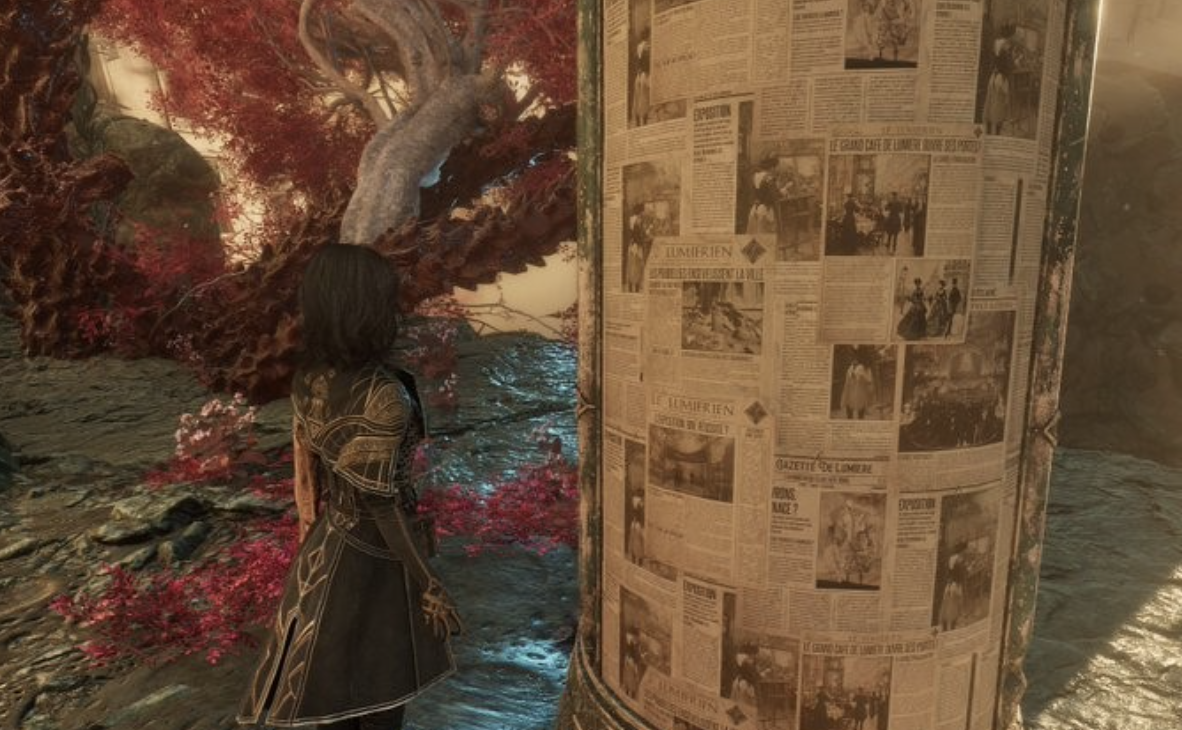
The recent situation surrounding Starfal Interactive’s Expedition 33 highlights the severity of this environment. For an example, you can read IGN’s article here. According to reports, the studio used GenAI for a minor element of textures during development. Something so small, it was quickly patched out shortly after launch.
Yet, the damage was done. Despite the vast majority of the game being painstakingly handcrafted, the mere presence of that AI utilisation rendered the game ineligible for certain awards.
This reaction seems disproportionate to the crime. But it signals a deeper anxiety among audiences: the fear that human creativity is being swapped for cheap, automated output.
Defining Appropriate Use: The Scaffolding, Not the Building
For organisations navigating this minefield, the key, and this is a core of AI Governance, is defining where AI usage sits in the production pipeline.
Appropriate Use: The Accelerator Generative AI is unprecedented as an efficiency tool for the invisible parts of creation. If we view a creative product like a house, AI is excellent for drafting the blueprints, calculating load-bearing walls, and laying the plumbing.
- In Gaming: Using code assistants (like Copilot) to write boilerplate mechanics, generating placeholder assets for rapid prototyping, or automating tedious QA testing processes.
- In Writing: Using AI to brainstorm alternative headlines, summarise background research, or checking for consistency.
These uses speed up production without replacing the human vision. They remove drudgery so creators have more time for actual creativity.
Inappropriate (or Risky) Use: The Final Facade The backlash occurs when AI is used for the “soul” of the product, the parts the audience connects with emotionally. The Red Line: Generating final 2D/3D art assets, composing the main musical theme, or writing key character dialogue with AI and presenting it as a finished product.
When audiences feel they are engaging with a machine’s output rather than a human’s intent, the sense of authenticity vanishes.
When Is an Idea Still Yours?
This leads to one of the hardest questions in AI Literacy: At what point does AI involvement dilute human ownership?
If a concept artist uses Midjourney to generate 50 variations of armour, picks three, mashes them together in Photoshop, and repaints over them for 20 hours, is that art “theirs”? Most would say yes. The AI was a specialised paintbrush.
But if a developer types “fantasy landscape” into a generator and drops the raw output into their game’s background, ownership is murky.
The distinction lies in the Human-in-the-Loop ratio. Is the human directing the AI, refining its output, and applying their unique taste and judgment? Or is the human merely curating the machine’s average output?
The Need for Transparent Governance
The Expedition 33 example proves that silence is not a strategy. Audiences will find out, and they will assume the worst.
Studios and creative companies must move beyond vague statements and establish clear AI Governance policies. You need to decide internally what is acceptable and, crucially, be transparent with your audience about it.
If you use AI for coding assistance but hand-paint every texture, say that. If you use AI for brainstorming narrative arcs but human writers’ script every line of dialogue, say that.
In the current climate, trust is the most valuable currency. The only way to maintain it isn’t to ban AI entirely, but to prove that the human creator is still firmly in the driver’s seat.
Would you like to have a chat on how to use Generative AI responsibly, or do you or your team need tips and tricks? You can always reach out to us on info@cleverrepublic.com.